The steel sector, one of the largest sources of carbon emissions globally, is entering a new era with the search for sustainable production. While traditional steel production is characterized by high energy consumption and intensive carbon emissions, "green steel" aims to change this picture.
Green steel is defined as an eco-friendly material produced without the use of fossil fuels in its manufacturing, instead utilizing renewable energy sources or recycled steel. This approach, which significantly reduces carbon emissions, aims to align the steel industry with global climate targets.
Why It Matters?
Steel is a strategic material used in many areas, from construction and infrastructure to automotive and industry. Therefore, the transformation of its production methods plays a critical role not only for the future of the sector but also for the future of global sustainability policies.
The advantages offered by green steel include minimizing the carbon footprint, reducing waste, contributing to brand image, and creating economic efficiency through its recyclable structure.
Production Methods
Various methods are used in the production of green steel:


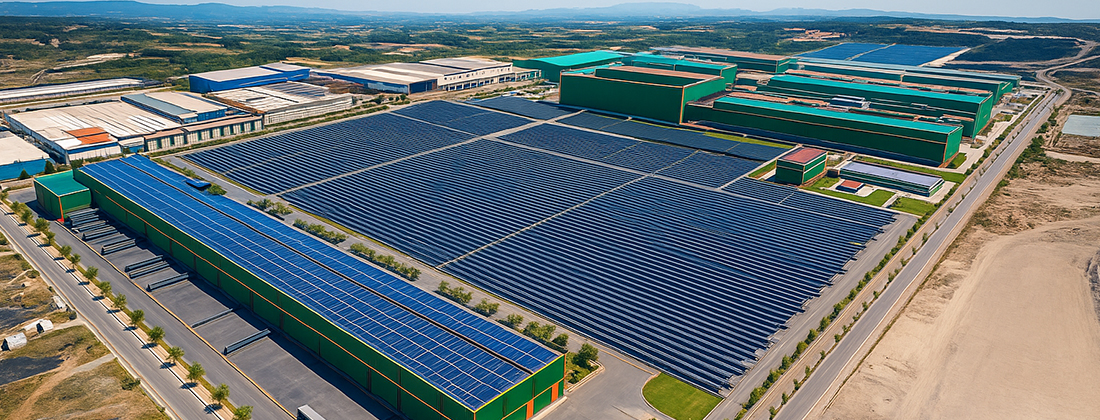
- Direct Reduced Iron (DRI) with Hydrogen: The reaction of iron ore with hydrogen releases water vapor, bringing carbon emissions down to nearly zero.
- Electric Arc Furnaces (EAFs): Lower carbon production is possible by melting scrap steel using renewable energy.
- Carbon Capture and Storage (CCS): This prevents harmful gases from being released into the atmosphere.
An Example from Türkiye to the World
Tosyalı Holding from Türkiye has achieved a significant success in the field of green steel. The company set a world record by producing 2.23 million tons of green steel using its DRI module in 2020. This achievement has carried Türkiye among the pioneering countries in sustainable steel production.
Looking to the Future
According to experts, with the widespread adoption of green steel, it will be possible to reduce carbon emissions worldwide and accelerate sustainable industrial policies. The use of renewable energy and green hydrogen instead of coal in steel production will create both environmental and economic benefits.
In conclusion, green steel is seen as a turning point not just for the industry, but for the future of the planet.